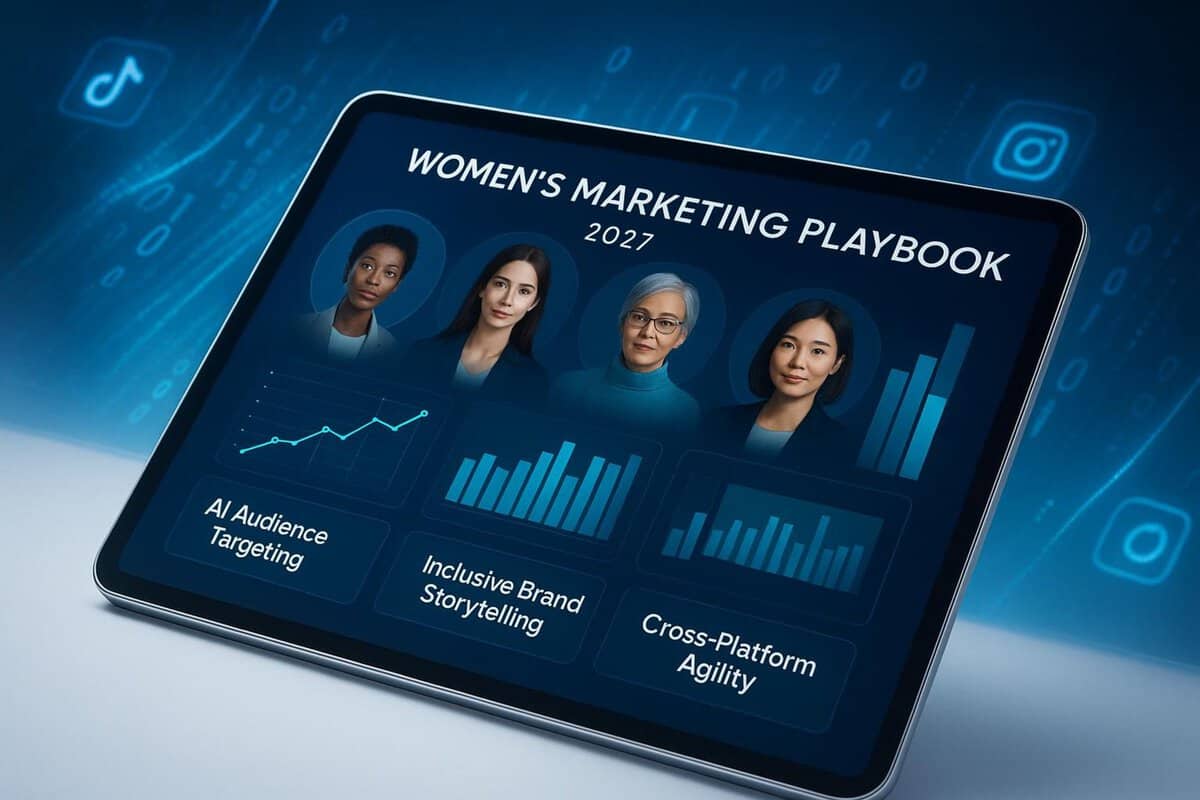
Building a women’s marketing playbook for 2027 is more than writing a document. It is about creating a living guide your team can use again and again to connect with women in a real, respectful way. It should help you understand changing needs, use data wisely, and create personal and inclusive experiences.
Marketing keeps changing because of privacy updates, AI content overload, and stricter platform rules. Tactics that worked a few years ago are less dependable now — search itself is a good example, since visibility increasingly depends on being cited by AI assistants rather than ranking on a results page: https://non.agency/en/blog/generative-engine-optimization-geo-a-complete-guide-to-ai-visibility/
For 2027, a women’s marketing playbook should be built to adjust fast. It should focus on the real steps people take before they decide, and it should include a habit of learning and improving. The goal is a system that can change over time, not a one-time plan.
What Is a Women’s Marketing Playbook for 2027?
A women’s marketing playbook for 2027 is a focused guide that explains how a business will run marketing to reach, engage, and convert women across channels and campaigns.
Like a sports coach’s playbook, it lays out repeatable moves so the team stays consistent and avoids confusion-internally and for customers. The difference is that this playbook uses a gender-aware view, so it is not the same as a general marketing guide.
Key Differences from Traditional Marketing Playbooks
Traditional playbooks often focus on the product or a broad demographic group without much detail. A women’s marketing playbook starts with the audience. It goes past basic segmentation and looks at the real reasons people buy, the steps they take to decide, and how different groups of women prefer to communicate.
A normal marketing plan may focus on short-term campaigns and targets. This playbook is a longer-lasting structure your team can use across many campaigns, with the female customer as the main reference point.
This means it uses research about how women shop, what influences them, and what media they use. It is not about marketing to women as one single group. It is about recognizing that women have many different lives and needs, and making messages that fit specific segments.
Role of Gender-Lens in Modern Marketing Strategies
Using a gender-aware lens means respecting and reflecting women’s real experiences and values instead of relying on old stereotypes. This matters because women control a large amount of spending and often influence household and even B2B purchases. With this lens, marketers can shape messaging, product choices, and channel plans in ways that feel true, which builds trust and loyalty.
This helps brands avoid surface-level “representation” with no substance. Instead, it supports inclusive messaging that reflects real diversity. It also means understanding common pain points, goals, and the situations in which decisions happen, which leads to stronger campaigns.
Why 2027 Demands a New Approach
2027 is a point where several changes meet at once. The strategies that drove growth in 2022 are already weaker because the digital environment has shifted. Privacy changes keep limiting third-party cookies and cross-site tracking, so measurement has to be rebuilt around first-party data.
At the same time, AI-created content is everywhere. Attention is split across brand channels, creators, communities, and chat-based AI tools. Paid media is getting more expensive and less predictable. In this environment, a women’s marketing playbook helps you stay flexible, target with care, and build marketing foundations that last instead of relying on tactics that are fading.
Why Focus Marketing Strategy on Women for 2027?
Focusing on women in 2027 is not a short-lived trend. It is a smart move based on their growing economic influence. Women’s values and decision habits shape many markets. If a brand ignores this audience-or gets it wrong-it can block long-term growth.
Influence of Women in Consumer Decisions
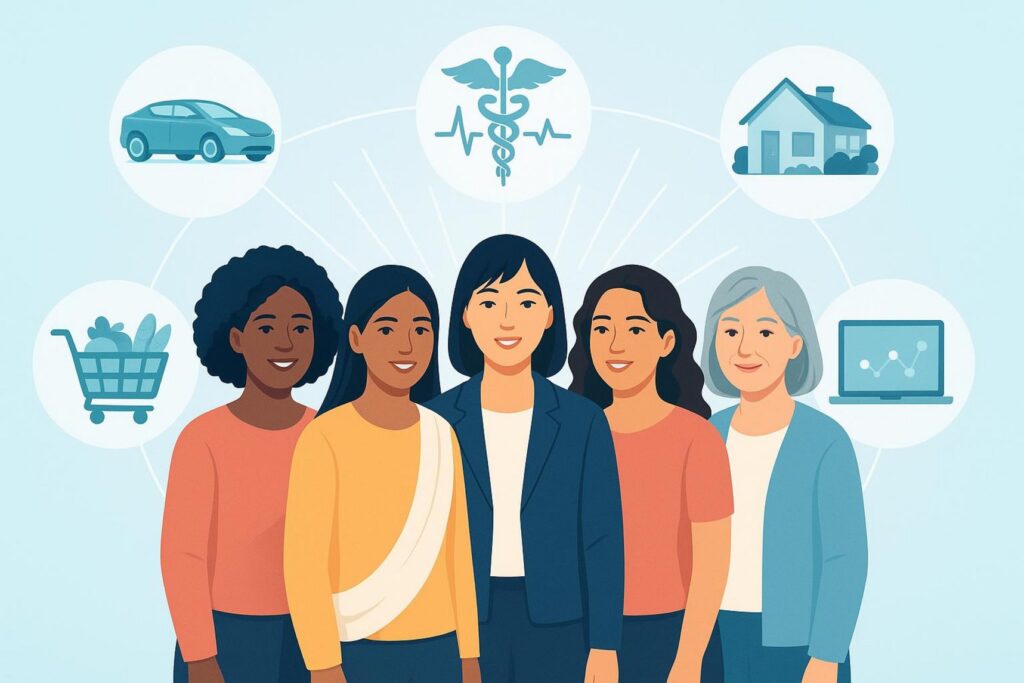
Women often decide or strongly influence purchases across many categories, not just products that are labeled “for women.” This includes groceries, healthcare, banking, cars, and technology. Many women research carefully, rely on reviews and recommendations, and pay attention to value, quality, and ethics. Marketing to women is not only about selling to them directly; it can also shape wider buying decisions around them.
Shifting Demographics and Economic Power
Women’s economic power keeps rising worldwide. More women are entering the workforce, earning degrees, building companies, and growing wealth. That brings more buying power and higher expectations for products and services that match real lives. As these shifts continue into 2027, businesses that build for this audience early are more likely to grow and lead.
Addressing Gaps Revealed by Industry Data
Even with this influence, many campaigns still miss the mark with women. Industry data often shows gaps in understanding, representation, and communication. This can show up as stereotypes, limited representation, or messaging that ignores real needs and goals. A women’s marketing playbook helps close these gaps on purpose. By researching the audience, mapping the real decision journey, and creating content that answers questions at the right moment, brands can build stronger relationships and better returns.
Core Components of a High-Impact Women’s Marketing Playbook
A high-impact women’s marketing playbook is a full framework, not a list of quick tactics. It builds a real understanding of women into daily marketing work. Like any strong playbook, it supports consistency and scale, with added focus on what matters when speaking to women.
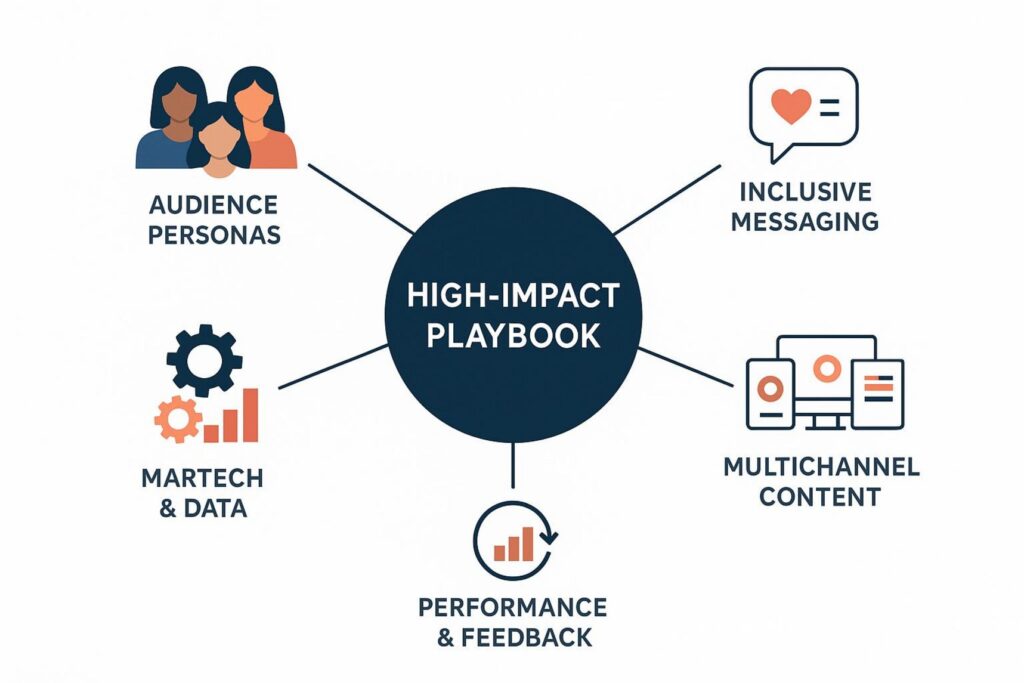
1. Audience Segmentation and Persona Development
This is where the playbook starts to stand out. Good women’s marketing goes beyond “women ages 25-45.” Build clear personas using solid data, not guesses. Include interests, values, lifestyle, pain points, and buying behavior for different segments. Examples could include a young professional in tech, a sustainability-focused parent, a founder, or women from different cultural communities.
Also note primary, secondary, and indirect audiences who may shape the final decision. This helps you create messages that feel real at every touchpoint.
2. Inclusive Brand Positioning and Messaging
The playbook should spell out how your brand speaks to women, with messaging that is inclusive, respectful, and stereotype-free. It should connect with goals and values and reflect the many roles women play. Clear brand guidelines matter here: tone of voice, visuals, and basic channel rules. When messaging stays consistent, people learn what your brand stands for. A casual social post and a sales page should still feel like the same brand.
3. Multichannel Content Strategy Tailored for Women
A strong playbook includes a content plan that lists the formats and channels that work best for your audience. This is not just about where you post, but how you share content and what job it does. Content should answer questions at the right time in the decision process. That may include blog posts, short videos, community posts, or case studies.
Planning around questions rather than phrases also changes how the plan is built. As Rad Paluszak from NON.agency puts it: “Stop obsessing over keywords. Think about entities, brand context and semantic relationships.” A content plan organized around topics, products, and how they connect tends to hold up better than one assembled from a keyword export.
The playbook should also include a distribution plan and content calendar so the team stays focused and consistent across brand accounts, personal accounts, and influencers.
4. Marketing Technology and Data for Personalization
Technology helps you create personal experiences at scale. The playbook should list the tools you use, such as CRMs for tracking leads and customer activity across the lifecycle, plus automation tools for repeat tasks and consistent targeting. It should also focus on first-party data to deal with privacy limits, and on a flexible tech setup that supports easy integrations and clean data movement.
AI can help with research, first drafts, and reporting. But the playbook should make it clear: your strategy and brand voice should not be handed over fully to machines.
5. Performance Measurement and Feedback Loops
The playbook needs a clear way to measure results and improve over time. This includes SMART goals and KPIs for women-focused campaigns. Track metrics such as customer acquisition cost by channel, lifetime value, and payback period. The playbook should set an attribution approach and a regular testing rhythm so your team can try ideas, learn what works, and scale winners. Build in feedback cycles (monthly or quarterly) so results lead to changes, keeping the playbook active and updated.
How to Develop Your Women’s Marketing Playbook for 2027
Creating a women’s marketing playbook for 2027 takes planning, strong data choices, and the ability to adjust. Start by looking at where you are now, then build a plan that can handle what comes next.
Identifying Emerging Trends Impacting Women’s Preferences
Before locking in your plan, keep watching the market for trends shaping women’s choices and behavior. Go past quick fads and look for deeper shifts like sustainability, ethical sourcing, wellness, and community-led brand experiences. Audience research has one of the highest payoffs: map what questions people ask before they buy, donate, or join. Use both qualitative and quantitative research so your playbook reflects today’s reality, not old assumptions.
Selecting the Right Digital and Offline Channels
Attention is split across many places, so you cannot rely on one channel. Your playbook should explain how you choose channels based on where your audience actually spends time and what they like to consume. Along with search, social, and email, this may include community platforms, influencer work, podcasts, or in-person events. The aim is to show up in the right places with consistent messaging across touchpoints.
Integrating AI and Automation for Better Engagement
AI will be part of most 2027 marketing plans. In a women’s marketing playbook, AI should support human connection, not replace it. AI can help analyze data, build better segments, and deliver more relevant content. It can also support prediction and automate repeat work so your team can spend more time on strategy and creative work.
At the same time, the playbook should set boundaries: use AI to think better and work faster, but keep human control over strategy, ethics, and voice.
That framing keeps the focus where it belongs. As Rad Paluszak from NON.agency puts it: “AI is only a tool. The question is not whether to use it, but how well you use it.” Most teams will have access to the same models, so the difference comes down to who asks better questions of them and who knows when the output isn’t good enough to ship.
Setting SMART Goals and KPIs for Women-Focused Campaigns
Have your measurement plan ready before launch. Set SMART goals: Specific, Measurable, Achievable, Relevant, and Time-bound. Example: “By Q3 2027, increase engagement from women aged 25-45 in our Instagram community by 15%.” Then define KPIs such as engagement, leads from targeted content, conversion rates for key offers, or sentiment on brand perception. When the team knows what success looks like, it becomes easier to track progress, adjust actions, and report ROI.
Best Practices for Implementing and Scaling a Women’s Marketing Playbook
Making the playbook work at scale takes more than writing it. You need alignment across teams, awareness of local culture, and a habit of learning. These practices keep the playbook useful over time.
Building Cross-Functional Teams and Defining Roles
Good execution depends on clear roles and teamwork. For this playbook, align marketing, sales, product, and customer support so everyone knows how they support women customers. For example: a content strategist sets direction, a content marketing manager writes the brief, a writer creates the draft, and an editor finalizes it. If one part fails, the result suffers. The playbook should document workflows, feedback steps, and name an owner (often a project manager) to keep things moving and remove blockers.
Ensuring Brand Consistency Across Global Markets
As brands grow, staying consistent gets harder, especially across cultures. The playbook should give shared rules for messaging, visuals, and tone, plus notes on cultural differences. Regional teams should match the core brand while adjusting for local needs. A message that works in one place may not work elsewhere. Clear guidance helps teams avoid mistakes and keep the brand’s value clear everywhere.
Adapting Quickly to Market and Cultural Shifts
Markets change fast, and women’s preferences can shift quickly too. A playbook that never changes becomes outdated. Treat it as an active document. Review market signals often, use real-time data, and be ready to adjust. This includes tracking cultural shifts, social movements, and topics women care about. The playbook should make it easy to update strategy and tactics without being stuck in old plans.
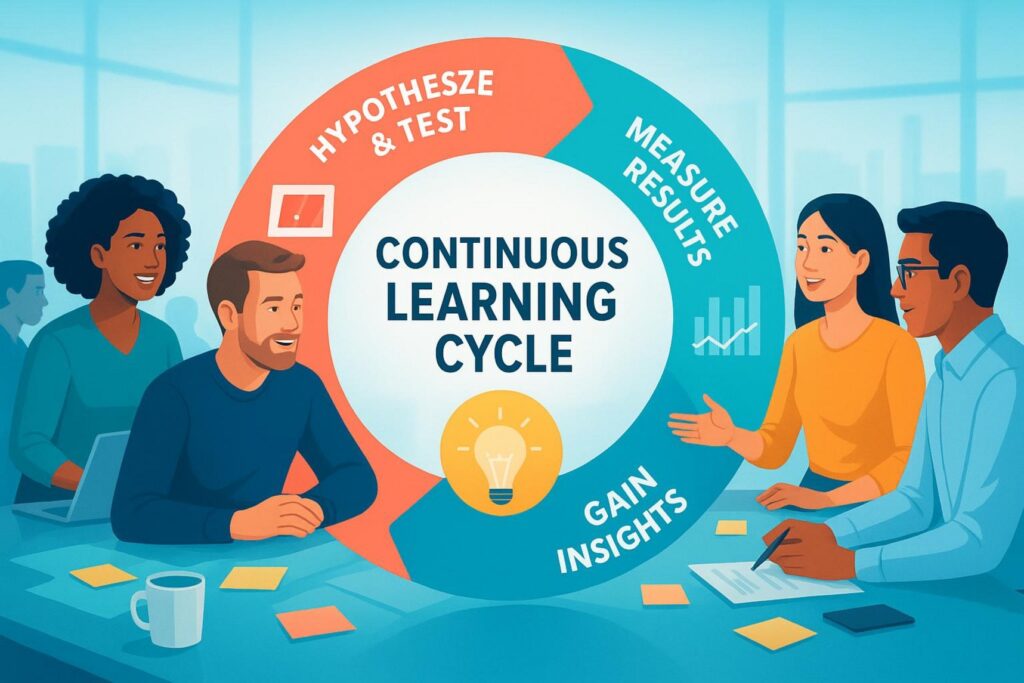
Developing a Continuous Learning and Experimentation Culture
To keep your playbook ready for the future, build a habit of testing and learning. Encourage A/B tests, pilot campaigns, and clear reporting on what worked and what didn’t. HubSpot, for example, learned from campaigns that buyer expectations had changed. They updated their playbook to offer more ways to buy and removed friction. Every campaign brings lessons that can improve the next one. Keep a prioritized list of ideas to test, follow a steady testing schedule, and scale the winners so the playbook reflects what performs best.
Examples of Women’s Marketing Playbooks in Action
Most brands do not publish “women’s marketing playbooks,” but you can learn from companies that do a strong job with empowerment, user value, and data-led decisions-often appealing to large groups of women. Their methods can guide what your own playbook should include.
Noteworthy Case Studies from Leading Brands
Canva is a design platform that focuses on ease of use and accessibility. With a simple interface and lots of learning content, Canva supports many users, including women founders, small business owners, and creators, in making professional visuals. Even without gender-specific messaging, their approach shows the value of understanding user needs, offering help beyond the product, and teaching users-things that often matter to women looking for tools that save time and build confidence.
Shopify focuses on supporting entrepreneurs and building an ecosystem. Along with its store platform, Shopify provides education and stories that show what success can look like. This fits many women who start or grow businesses. The lesson is clear: tools plus support can create a strong connection, which matches well with women-focused marketing.
Lessons Learned and Measurable Outcomes
These examples point to key lessons for a women’s marketing playbook:
- Real value and empowerment: Tools and education build deeper loyalty than product pushing.
- Ease of use matters: Simple experiences reduce friction and help more people succeed.
- Consistency builds trust: The same brand feel across touchpoints increases familiarity and comfort.
When brands focus on these areas, results tend to follow: higher adoption, stronger engagement, and more advocacy from women customers.
HubSpot’s updates to its conversion playbook also show the value of adapting to buyer preferences. They moved away from rigid sales steps and offered more connection options, letting buyers choose how to purchase. That change increased self-purchases by ten times while still growing inside sales. This kind of flexibility and customer-first thinking is a strong model for any women’s marketing playbook.
Future-Proofing Your Women’s Marketing Playbook
To keep your women’s marketing playbook useful beyond 2027, build it so it can change over time. Digital channels keep shifting, and women’s needs and behaviors change too.
Anticipating New Consumer Trends and Technology
Staying ready means looking ahead often. Watch trends like personalized wellness, ethical buying, digital communities, and new forms of online spaces. Also track new tech. More advanced AI for personalization, more AR/VR shopping features, and new social platforms will affect how women discover and interact with brands.
Your playbook should include simple processes for trend tracking and regular reviews so you can plan ahead instead of always reacting.
Prioritizing Adaptability and Continuous Improvement
The most important part of a future-ready playbook is flexibility. Build marketing operations that can adjust, not just “work right now.” Create an internal testing system that generates ideas, tests them with clear success rules, and scales what works while removing what doesn’t. This approach turns marketing into a repeatable engine with improving results over time.
Use a flexible tech setup that supports easy integrations and data movement, and treat each campaign as a chance to learn. That way, your women’s marketing strategy improves quarter by quarter instead of starting over whenever a tactic stops working.
Frequently Asked Questions about Women’s Marketing Playbooks for 2027
How often should a women’s marketing playbook be updated?
Treat it like a living document. Do a full review at least once per year to match current goals, market shifts, and new tools. Update sooner if you see major platform changes, big campaign lessons, or new business priorities. Regular updates keep it useful in a fast-moving market.
What are common challenges in women-focused marketing?
Common problems include teams that prefer old habits, weak alignment across departments on inclusive messaging, limited training on new processes and cultural awareness, and difficulty measuring the impact of subtle strategy changes. There is also the risk of falling back on stereotypes if the work is not based on diverse data and perspectives, which can push away the audience you want to reach.
How to align technology with women’s marketing strategies?
Choose tools that help you understand your audience, personalize responsibly, and engage in an ethical way. Use AI and machine learning for deeper analysis, tighter segmentation, and more relevant content, while watching for bias and misuse.
Build a flexible tech setup that supports open data movement, first-party data capture, community engagement, and clear measurement. The aim is to automate repeat work and free people to focus on creative and strategic work.
How can a playbook help during unexpected market disruptions?
A well-built women’s marketing playbook is valuable during disruptions because it gives a clear way to make decisions and adjust fast. With flexible strategies, backup plans, and regular market reviews, teams can pivot using real-time data instead of guesswork. A built-in testing system also helps teams try new ideas quickly and find what works in new conditions, supporting resilience when things change without warning.